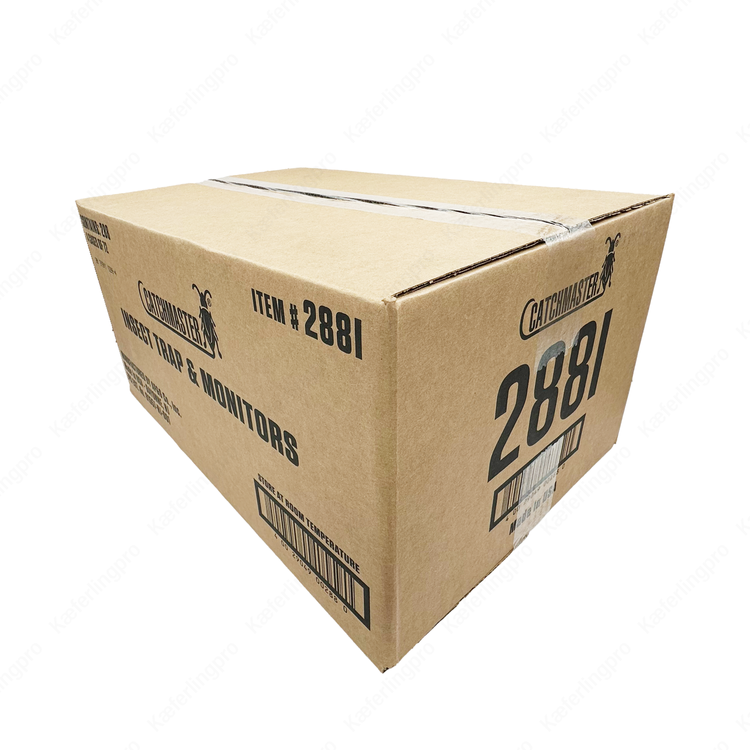
Catchmaster 288i Paperfish Trap: Effective Protection Against Paperfish
The Catchmaster 288i is ideal for use in commercial settings such as hotels, kitchens, storage rooms, and other areas where hygiene is a top priority. With a lifespan of up to one year, this trap provides reliable, long-lasting protection against paperfish.
Features of the Catchmaster 288i Paperfish Trap
-
Chemical-free: These glue traps are free of chemicals and offer a safe solution for use in sensitive environments such as kitchens and living areas (hotel rooms, etc.).
-
Long-lasting adhesive: Equipped with a strong adhesive that remains effective for up to a year, these traps provide lasting protection.
-
Made in the USA: Catchmaster traps are manufactured in the USA under strict quality standards to ensure consistently high quality.
-
Environmentally friendly: The traps are made from natural materials, supporting an environmentally conscious approach to pest control.
-
Durable and versatile: The traps are made of sturdy cardboard and stay securely in place in a variety of settings. Whether in storage areas, kitchens, break rooms, or basements, the Catchmaster 288i can be placed wherever needed and works discreetly in the background to protect your premises reliably.
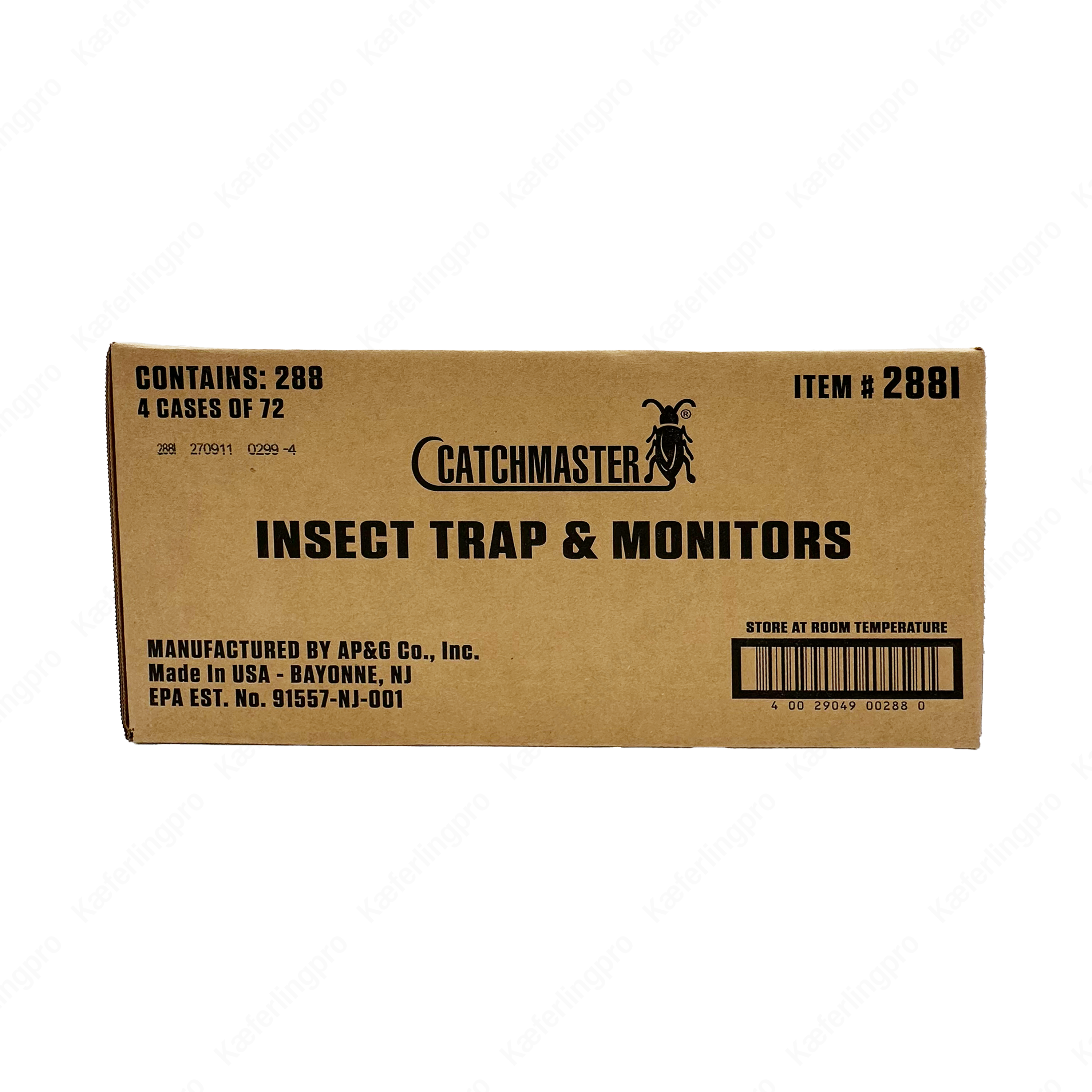
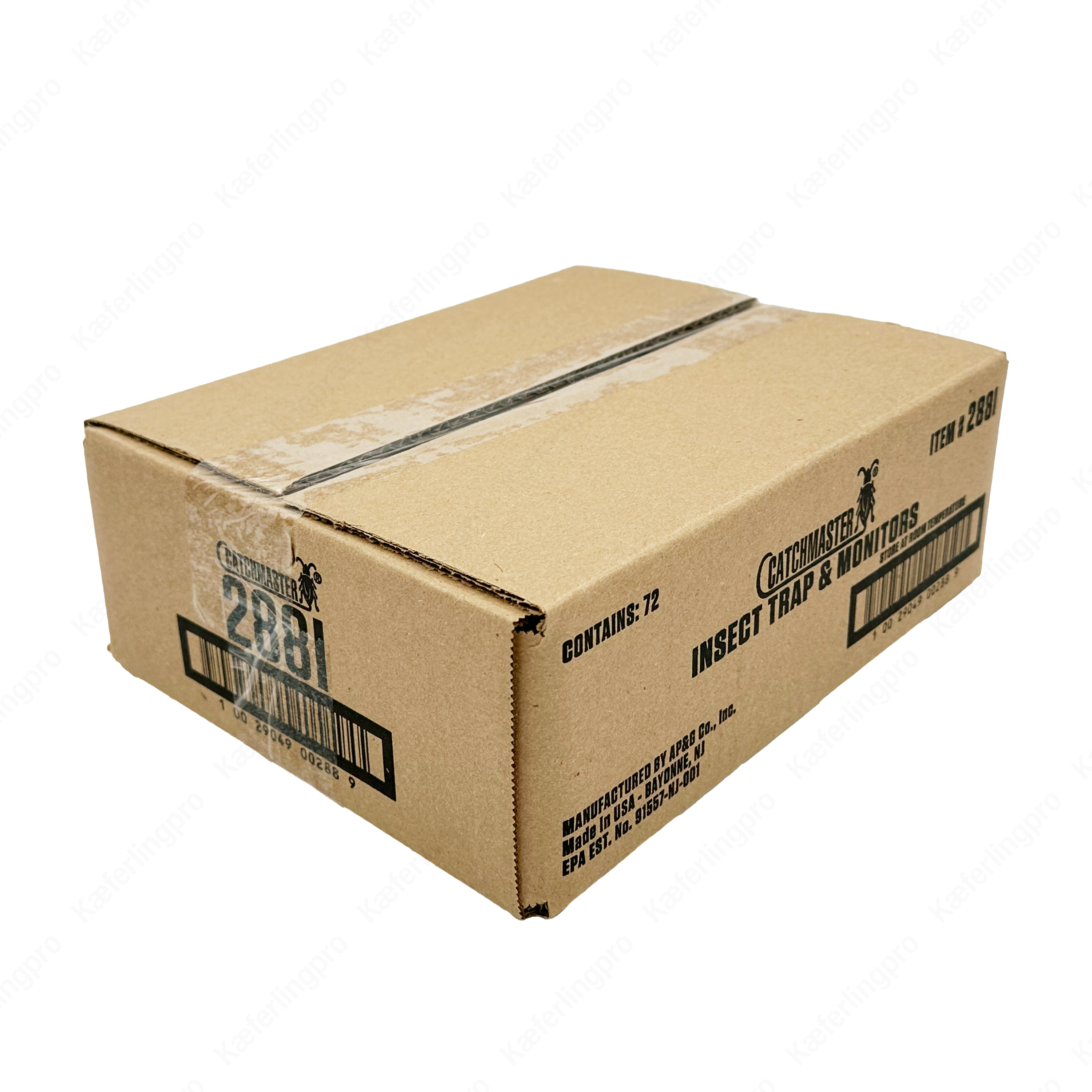
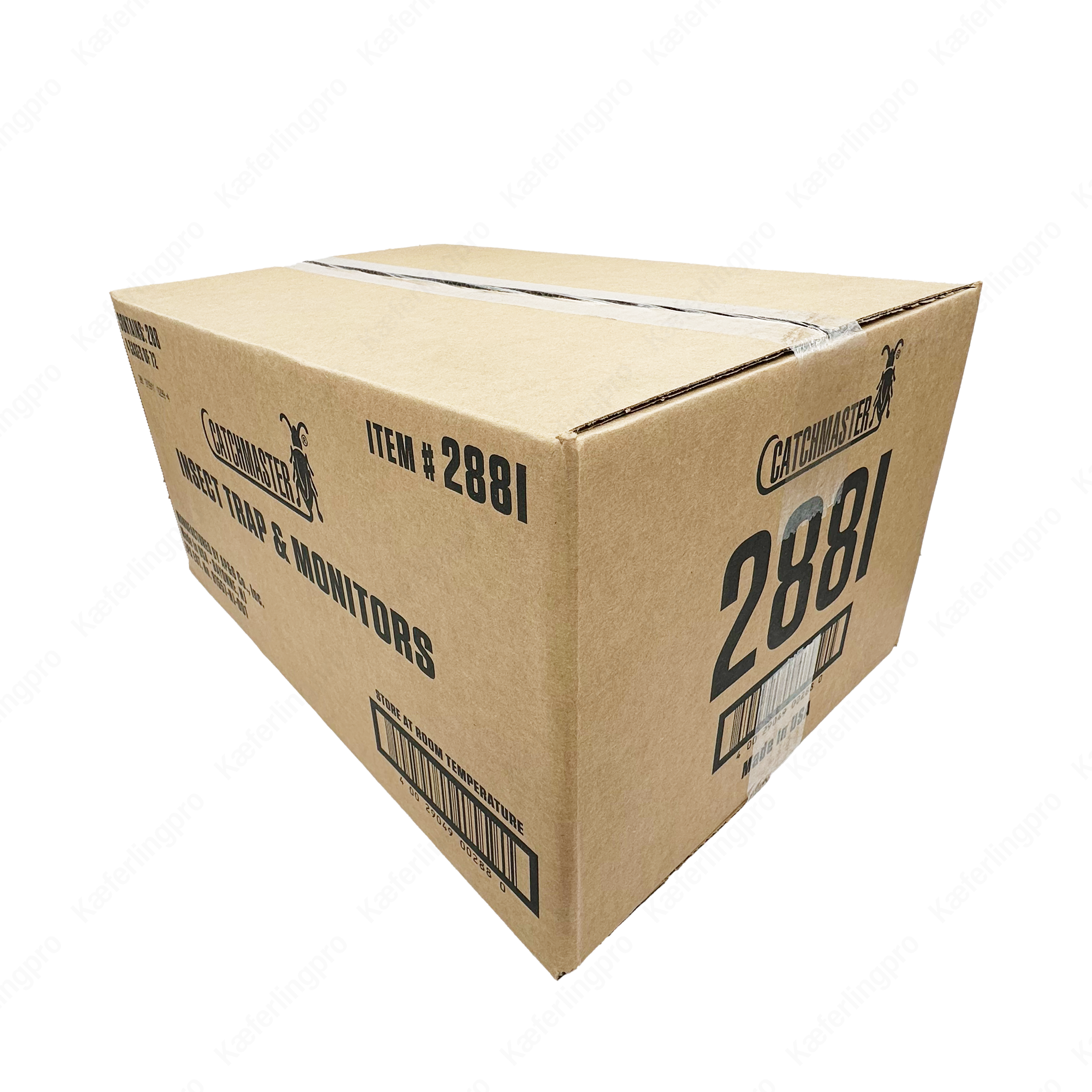
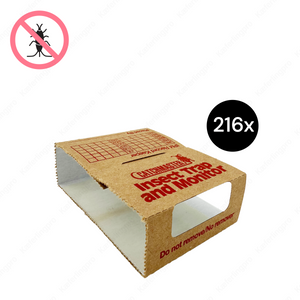
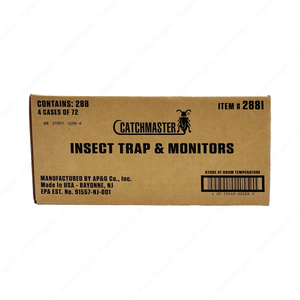
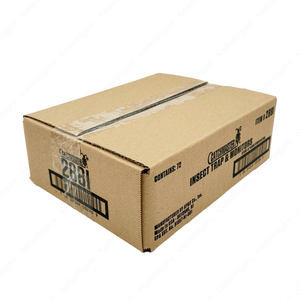
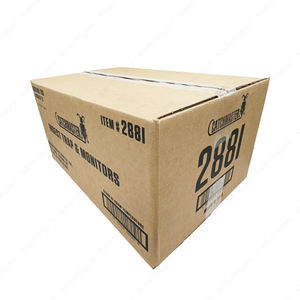
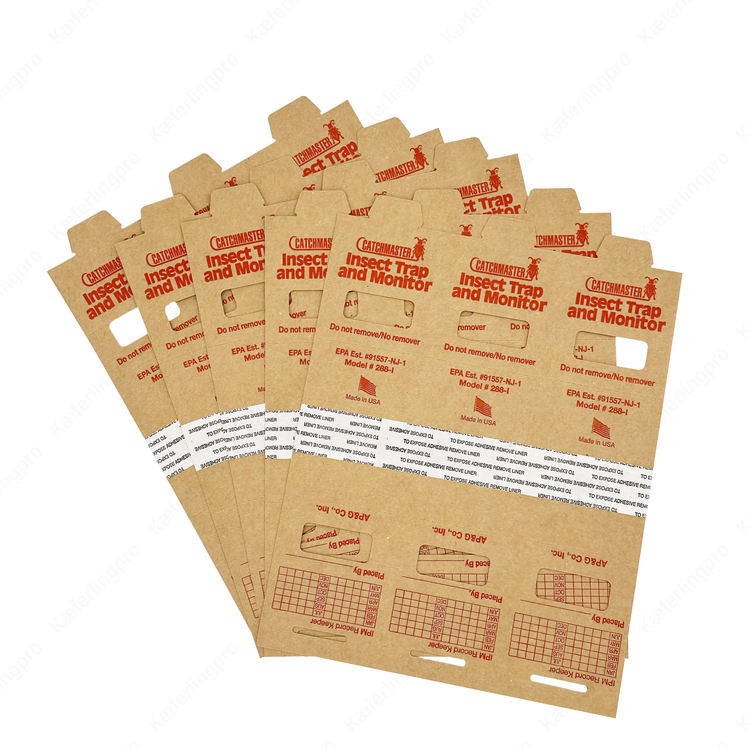
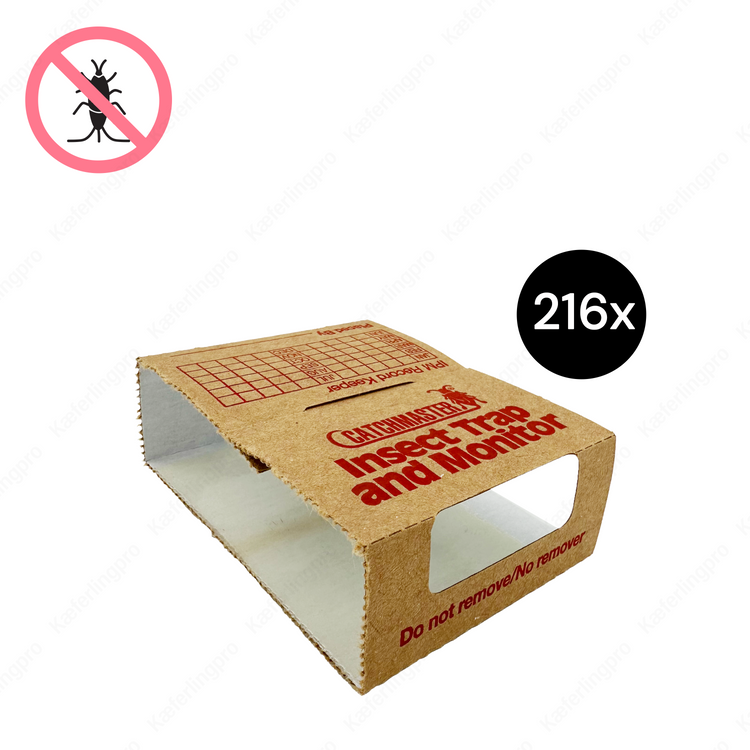
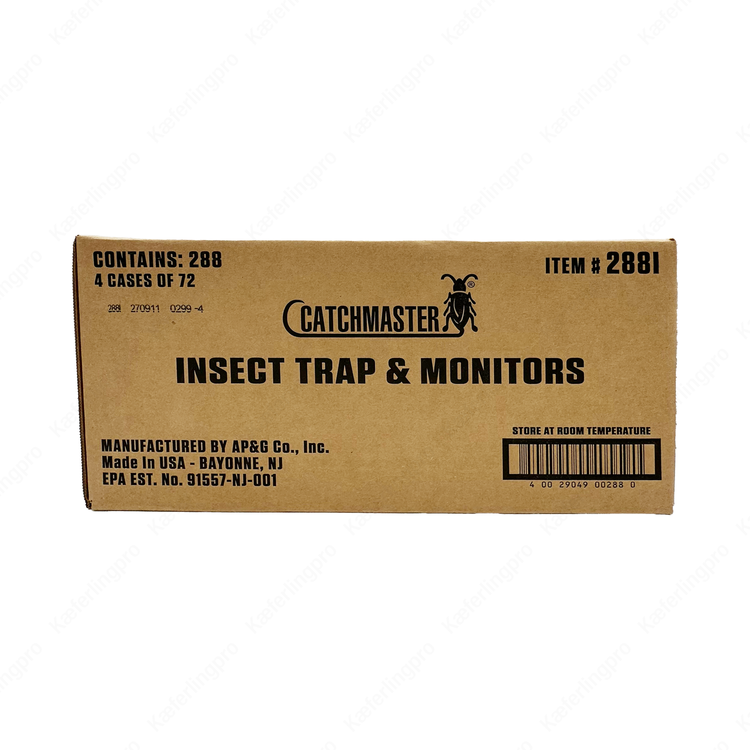
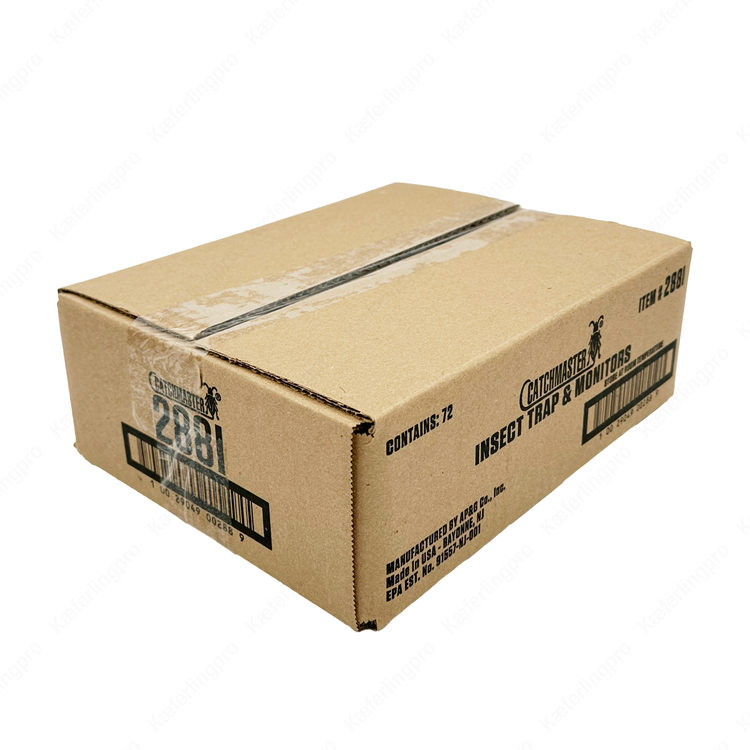
Each carton contains 216 paperfish traps (72 sheets of 3). This is a practical and cost-effective solution for monitoring and controlling paperfish, ideal for large-scale applications.
Technical Information
Product name: Catchmaster Paperfish Trap 288i
Quantity: 216 traps (72 sheets of 3 traps)
Target pest: Paperfish
Special features: Chemical-free, made in the USA, sturdy cardboard
Effective for: Up to one year
Areas of use: Food service, hospitality, food processing and production, healthcare, retail, office buildings, public facilities
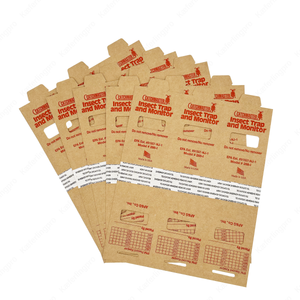
Directions: Remove the film from the adhesive surface on the inside, pre-fold the 4 perforations, shape the trap into a rectangle, and secure it by inserting the tab at the top. Place the trap in typical areas where paperfish may be found, such as kitchens, storage rooms, schools, and especially archives or areas with paper materials.
Note: For better stability, there is an adhesive strip on the underside that lets you secure the trap in the desired location. This also allows vertical mounting, for example behind cabinets.
The Catchmaster 288i Paperfish Trap provides long-lasting, chemical-free protection against paperfish, making it ideal for food service, hospitality, food processing and production, healthcare, retail, offices, archives, schools, and storage rooms. Its strong adhesive works for an extended period, and the sturdy cardboard trap (made in the USA from natural materials) can be placed in a variety of ways: flat or folded into a rectangular tunnel, including vertically thanks to the adhesive strip on the underside. Perfect for HACCP/IPM-based monitoring: detect infestations early and control them hygienically, without insecticides or odors. Supplied in a carton containing 216 traps, it’s a cost-effective choice for large-scale applications. Buy the Catchmaster 288i online now to monitor paperfish reliably.
Instructions for Use
Safety Data Sheet
Technical Data Sheet
Paperfish Monitoring – Detect and Monitor Infestations Early
Why is paperfish monitoring important?
Paperfish often go unnoticed for a long time and can damage books, documents, wallpaper, and other paper-based materials. Regular paperfish monitoring helps detect early signs of an infestation and take action in time.
When is paperfish monitoring useful?
-
As a preventive measure: For regular checks of vulnerable areas.
-
If an infestation is suspected: To detect possible paperfish activity.
-
After treatment: To detect a re-infestation early.
Where is paperfish monitoring useful?
Paperfish monitoring is particularly suitable for archives, libraries, museums, warehouses, offices, hotels, and other areas where paper-based materials need to be protected.
How does the Catchmaster 288i Paperfish Trap help?
This insecticide-free glue trap catches paperfish on its long-lasting adhesive surface. It can be placed flexibly along typical travel routes, behind furniture, or on walls. This makes it possible to detect paperfish activity and identify potential infestation hotspots without using insecticides.